📥 Free Download: Maintenance Checklist
Print-friendly checklist for every 3/6/12/24 month service interval
This guide covers everything you need to know about keeping your VW in good shape, with the specific products I trust and use. Because when it comes to maintenance, I don't mess around.
🛠️ Tools You'll Actually Need
Before you touch anything in that engine bay, get the right tools. I can't stress this enough: cheap tools turn a 30-minute job into a 3-hour nightmare.
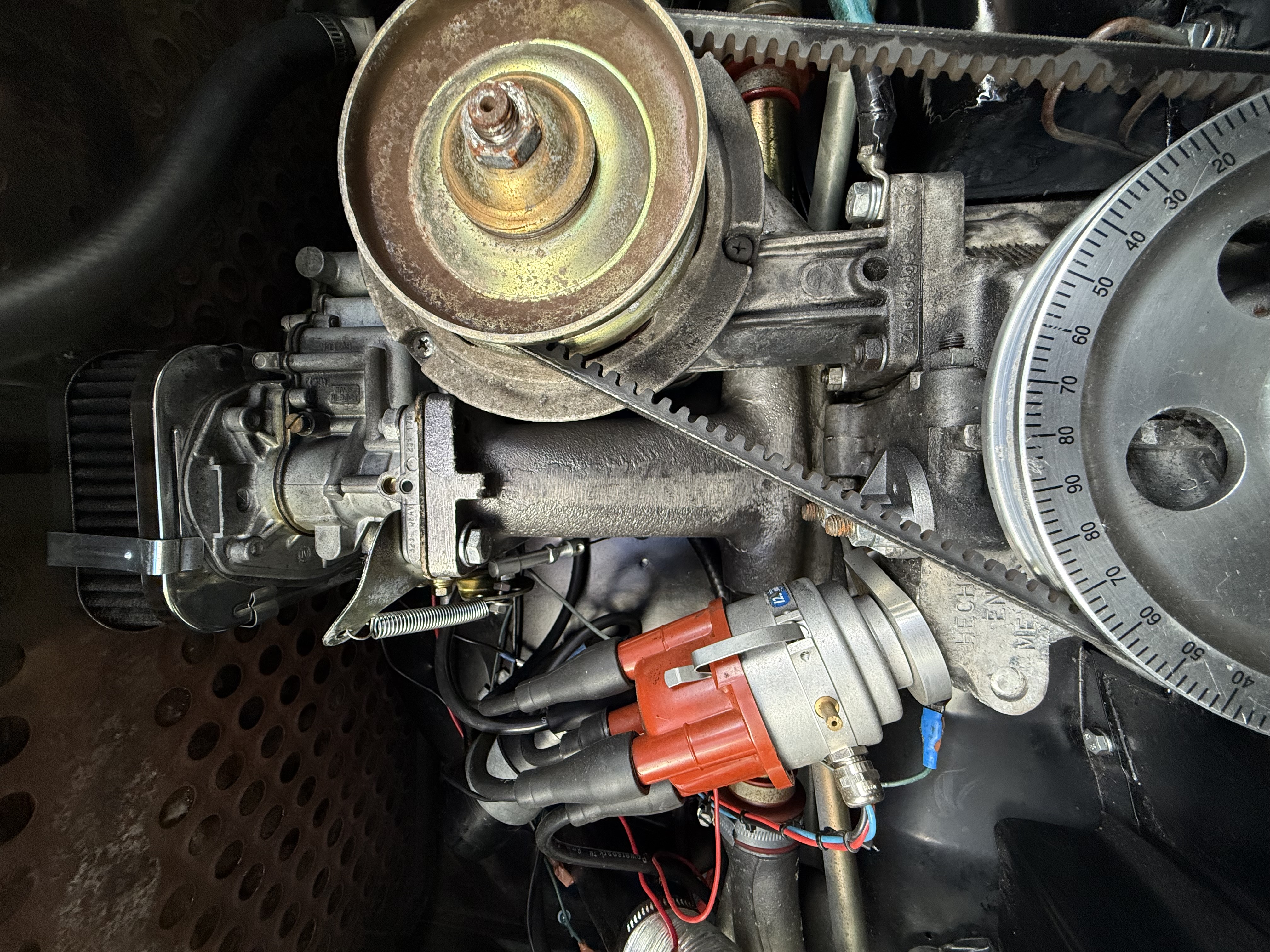
The right tools make maintenance faster, easier, and safer.
Essential Safety Equipment
🔓 Axle Stands → — I won't work under a van supported only by a jack. Period. These keep you safe and are absolutely non-negotiable.
📋 Trolley Jack → — Get one rated for your van's weight. Makes everything easier and won't let you down when you need it.
The Kit You'll Use Constantly
🔧 Socket Set → — Cheap sockets strip bolts. Quality sockets pay for themselves and make every job easier.
⚙️ Torque Wrench → — Prevents stripped threads and loose bolts. Non-negotiable for engine work. Worth every penny.
📋 Feeler Gauge Set → — Essential for valve clearances. Without it, you're guessing. Don't guess on engine work.
Penetrating Oil — For stuck bolts, keep WD-40 or PlusGas on hand. Spray it 30 minutes before and your life becomes easier.
📋 Mechanic's Creeper → — Game-changer. Your back will thank you for not lying on cold concrete for hours.
🔏 Magnetic Torches → — Stick to the engine, give you hands-free light. Get two—you'll use them constantly.
Cleaning & Protection
🧹 Brake Cleaner → — Put it in a spray bottle. Makes work cleaner and lets you see what you're doing.
🛑 Oil Drain Pan → — Essential when draining the engine oil (a stock 1600cc holds roughly 2.5 litres). Containment saves mess and saves time.
🔗 Jubilee Clip Set → — Get an assortment for fuel lines and hoses. You'll always need more of these in stock.
🔧 Essential Parts to Keep on Hand
These aren't optional. You change them on schedule because they directly affect whether your van runs.
Oil & Lubrication
📦 Good Quality Oil → — Don't compromise here. For a 1600cc, run 20W50 classic mineral oil—what the engine was designed for.
🔄 Oil Strainer & Gaskets → — Change them every oil service. A blocked strainer means no oil circulation—instant engine damage.
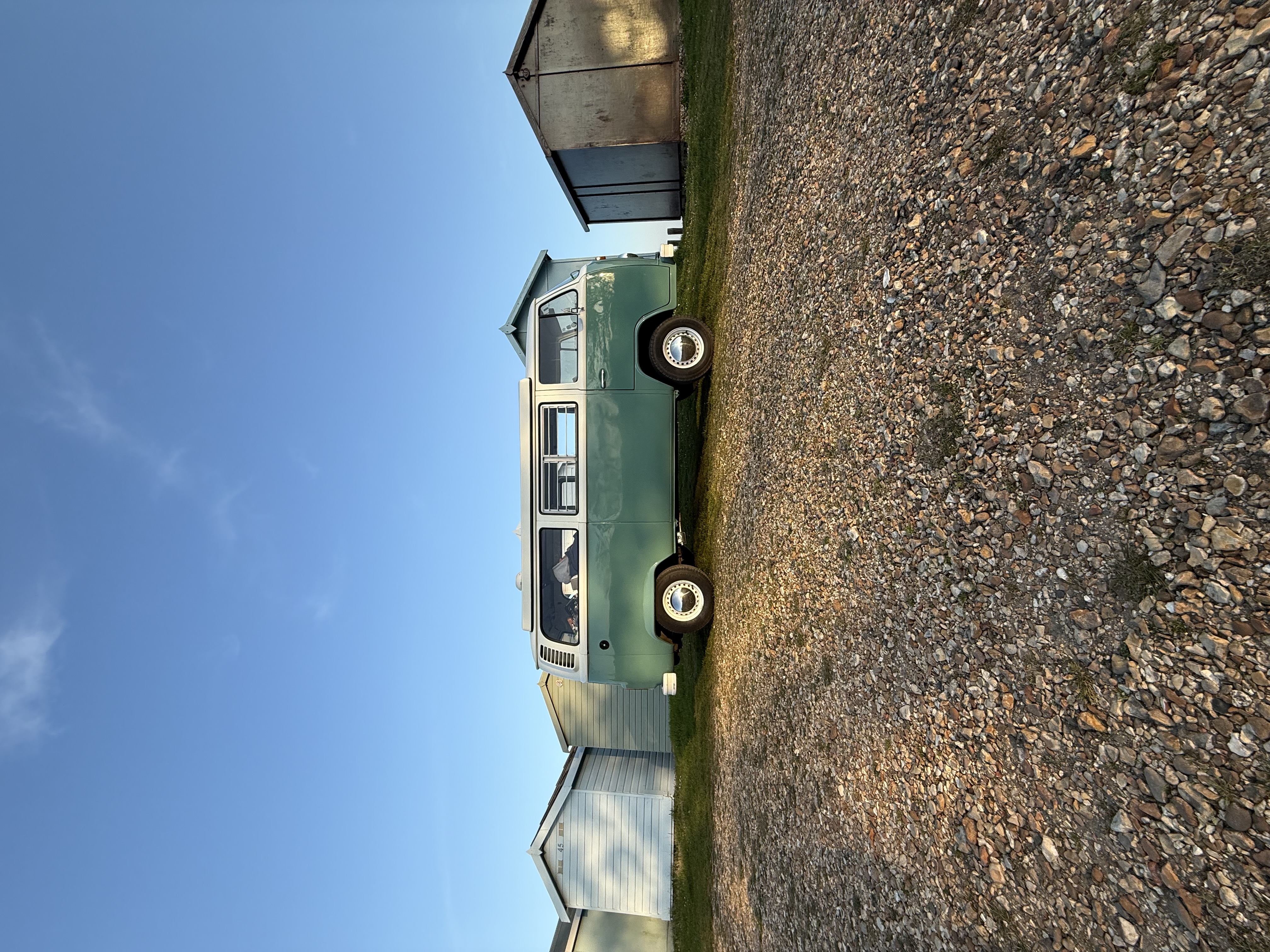
Regular oil and strainer changes are the foundation of engine health.
Spark & Ignition
⚡ Spark Plugs → — A clean spark is critical to engine running. For a stock 1600cc, NGK BP6ES is the standard.
🔌 Points, Condenser & Rotor Arm → — If you haven't upgraded to electronic ignition yet, keep spares on hand. I always carry an old-school distributor as backup.
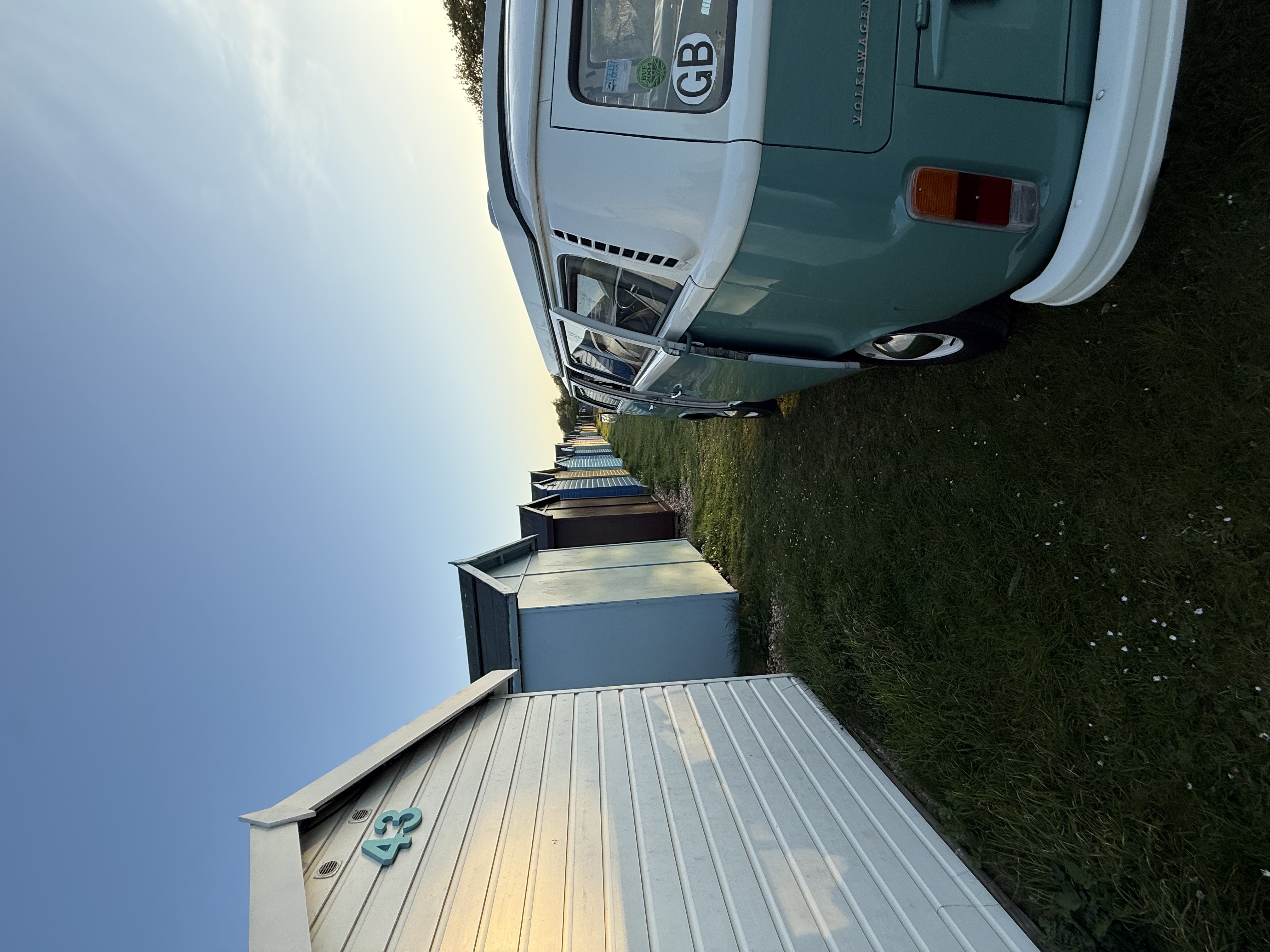
Clean filters keep your engine happy and running smoothly.
Brakes & Belts
The 1600cc is air-cooled — no radiator, water pump, or coolant. The fan belt drives the cooling fan and the generator/alternator, so it's a part you don't want to neglect.
🔄 Fan Belt → — Change it even if it doesn't look worn. A broken belt stops the cooling fan and the battery charging, so the engine overheats fast. Always carry a spare.
📦 Brake Fluid (DOT specification) → — Fully flush and replace every 2 years. Old fluid absorbs moisture and becomes less effective.
📋 Maintenance by Time / Distance
Every 3 Months or 3,000 Miles (Whichever Comes First)
Initial Check Priority Items:
- Engine oil level (top up if needed)
- Valves (listen for noisy tappets)
- Spark plugs (check gap, clean if needed)
- Battery clamps (check for corrosion)
- Fanbelt (check tension and wear)
- Wiring connections (look for loose/corroded terminals)
- Brake pads (visual inspection)
- Suspension (listen for clunks)
- Tyres (pressure and visual wear)
- Wipers (check they work, replace if worn)
The reality: Most of these are quick visual checks. Spend 20 minutes on this and you'll catch problems before they become expensive.
Every 6 Months or 6,000 Miles
Add to the above:
- Axles and CV joints (look for damage or leaks)
- Boots (check rubber CV boots for splits)
- Air filter (replace if clogged)
- Fuel filter (replace if carburetor is running rough)
- Carburetor linkage (ensure smooth operation — see our Weber carb install guide if yours needs an upgrade)
- Exhaust system (look for rust/holes)
- Hinges on doors/pop-top (oil them)
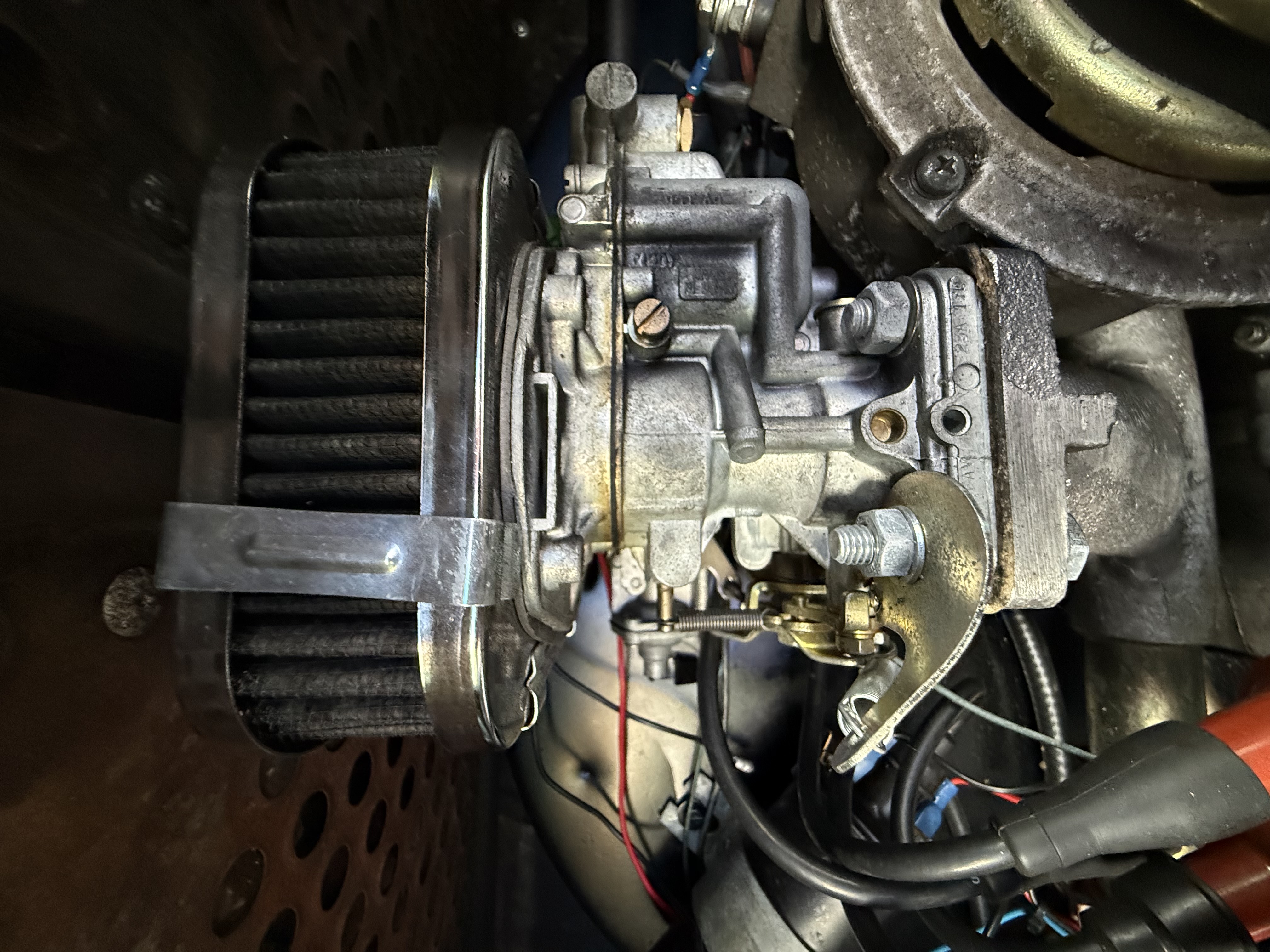
Proper spark plugs and correct gapping are essential for reliable running.
Every 12 Months or 12,000 Miles
Major service — do this properly. If you find serious issues with the engine during inspection, our complete engine rebuild guide walks you through a full overhaul.
- Replace spark plugs (non-negotiable at 12 months)
- Replace points & condenser (if not electronic ignition)
- Check gearbox oil level
- Check clutch play (should be slight free play at pedal)
- Oil pressure relief valve (check for weeping)
Every 24 Months or 24,000 Miles
Full system overhaul:
- Change the gearbox oil (every 2 years minimum)
- Pack wheel bearings (regrease front wheel bearings)
- Full suspension check (link pins, ball joints, everything)
- Distributor cap & rotor arm (replace if worn)
- Check all cables (throttle, choke, clutch)
🔍 Real-World Maintenance Routine (My Approach)
I don't follow the schedule religiously every time. Here's what I actually do:
Before Every Trip (30 minutes)
- Check oil level
- Check tyre pressures
- Check fan belt tension and condition
- Spin wheels, listen for unusual noises
- Start engine, check lights work
Monthly (if driving regularly, 45 minutes)
- Full visual inspection under the van
- Check all fluid levels
- Test brakes (feel for sponginess)
- Clean/inspect air filter
Quarterly (1–2 hours)
- Complete 3,000-mile service items
- Change oil if due
- Inspect suspension carefully
Annually (half a day)
- Full 12,000-mile service
- Replace spark plugs
- Replace points (if applicable)
- Flush brake fluid
🛡️ Why This Matters (The Real Reason)
Maintenance isn't about following rules. It's about this:
You're 200 miles from home, middle of nowhere, with your family in the van. That's when you find out if your maintenance is good or non-existent.
A snapped fan belt? The cooling fan stops, the engine overheats, and the van grinds to a halt — and you'll likely see the charge warning light first. A worn brake pad? Your brakes fail on a hill. Corroded battery terminal? Van won't start, and you're stranded.
These aren't theoretical disasters — they're things that actually happen to people who skip maintenance.
The small amount of time and money you invest now (oil changes, filter replacements, fluid checks) prevents those disasters.
📊 Maintenance Cost Estimate
Here's the reality of costs:
| Item | Cost | Frequency | Annual Cost |
|---|---|---|---|
| Oil & strainer replacement | £25–35 | 2x per year | £50–70 |
| Spark plugs | £15–25 | 1x per year | £20 |
| Air filter | £8–12 | 1x per year | £10 |
| Fan belt | £15–25 | 1x every 2 years | £8–12 |
| Brake fluid flush | £30–50 | 1x every 2 years | £15–25 |
| Miscellaneous (gaskets, clips, etc.) | £20–40 | As needed | £20–40 |
| Total Annual Maintenance | £120–180 | ||
Compare that to:
- Breakdown cover: £80–150/year
- A single emergency repair from neglect: £500–2,000+
Maintenance pays for itself in peace of mind alone.
🚨 Warning Signs — Don't Ignore These
If you see/hear these things, stop driving and investigate immediately:
| Sign | What It Means | Action |
|---|---|---|
| Oil light stays on | Low oil pressure — engine damage risk | Check oil level immediately. If low, top up. If normal, don't drive — get help |
| Grinding brakes | Brake pads are metal-to-metal | Replace pads immediately — brakes won't work properly |
| Steering feels heavy | Could be lots of things (suspension, bearings) | Get it checked before motorway driving |
| Smoke from the engine bay | Oil leak onto a hot engine, or an electrical fault | Pull over safely, switch off, and let it cool before inspecting |
| Burning smell | Oil leak on hot engine, or electrical fire | Pull over, identify source. Don't drive if electrical |
| Spongy brake pedal | Air in brake lines or low fluid | Pump pedal firmly and get to a mechanic urgently |
| Clunking when turning | CV joint failure or suspension damage | Stop, inspect. If CV boot split, drive carefully but get fixed soon |
✅ Final Thoughts
Maintenance doesn't have to be complicated. It's just about:
- Do it regularly — Don't wait for problems
- Use decent parts — Cheap components fail faster
- Keep records — Remember what you've done
- Use the right tools — Makes everything easier
Work through the schedule systematically. That's 80% of what you need to know.
The other 20% is common sense. If something sounds wrong, looks wrong, or feels wrong — don't ignore it. Most expensive repairs start with a small thing ignored for weeks.
Look after your van, and it'll look after you.
❓ Frequently Asked Questions
How often should I service my VW campervan?
Check fluid levels every 3 months, replace spark plugs and air filters every 12 months, and do a full major service every 12 months or 12,000 miles. Change gearbox oil every 2 years and pack wheel bearings every 2 years.
What's the most important maintenance for a classic VW?
Oil changes, spark plug replacement, and brake system maintenance are critical. Regular fluid checks prevent expensive engine damage. Always maintain good brakes for safety.
How much does VW campervan maintenance cost per year?
Budget £120-180 per year for routine maintenance including oil changes, filters, and spark plugs. This prevents expensive repairs caused by neglect that can cost £500-2,000 or more.
What warning signs indicate my VW needs immediate attention?
Do not ignore: oil warning light, grinding brakes, heavy steering, smoke from the engine bay, burning smell, spongy brake pedal, or clunking when turning. These require immediate inspection.
Can I do maintenance myself?
Many maintenance tasks are straightforward for home mechanics: oil changes, filter replacements, spark plug changes, and fluid checks. More complex work like brake bleeds or suspension repairs are better left to professionals unless you're experienced.
Is it worth keeping spare parts?
Yes. On a long trip miles from help, having spare spark plugs, points, fanbelt, oil, and filters could save you. Store them in a dry place and rotate stock to keep everything fresh.
📥 Free Download
Get the complete maintenance checklist as a PDF:
⬇️ Download Maintenance Checklist PDF →
Print it, laminate it, keep it in the van. Track every service you complete.