In This Guide:
The Dream vs. The Reality
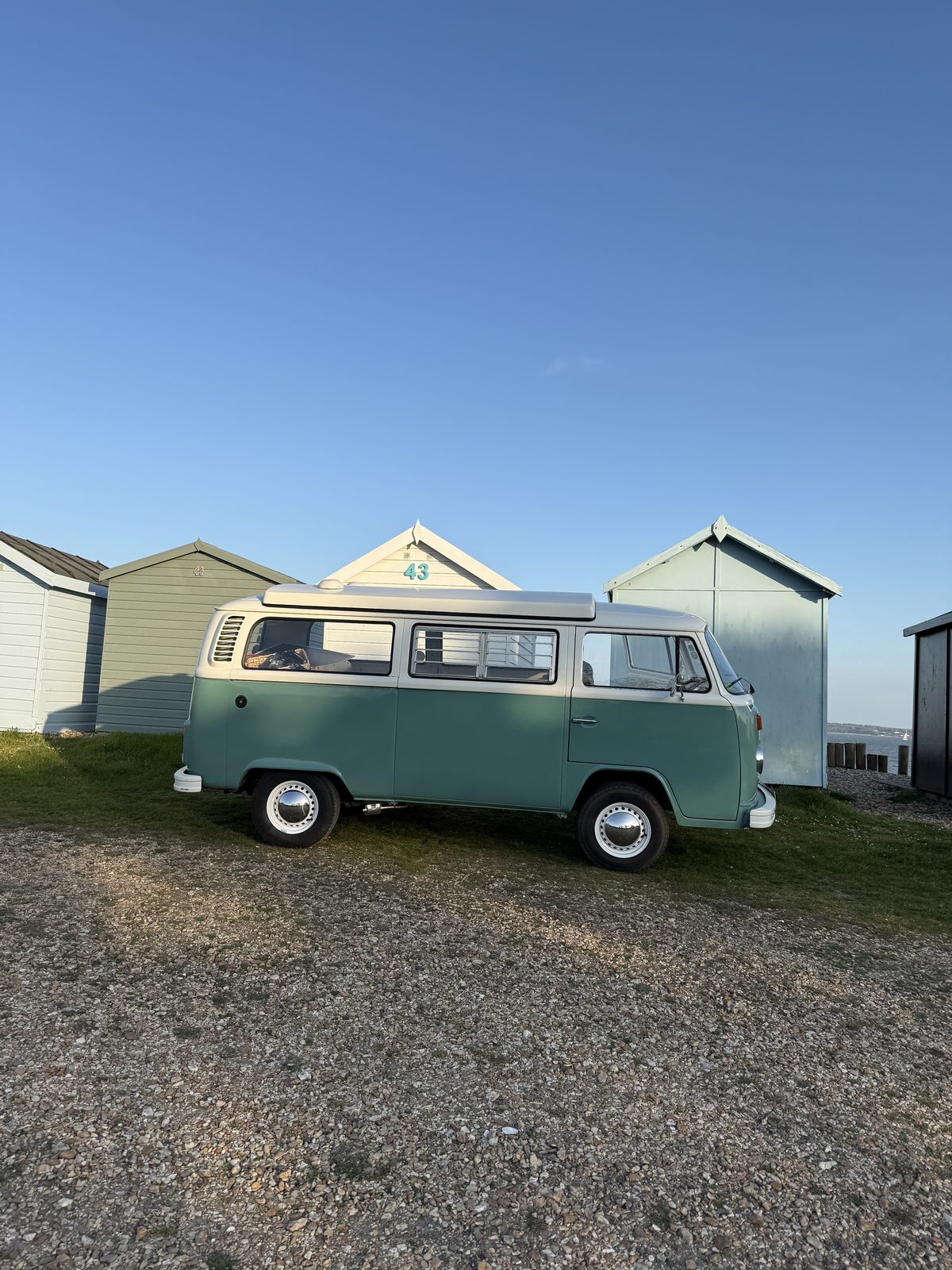
We've all seen them: beautiful turquoise Bay Windows parked by the beach, perfectly restored Splitties at VW shows, Instagram-perfect campervans on scenic adventures. They look amazing. You want one.
Here's what those photos don't show: the rust hiding under fresh paint, the oil leaks, the electrical gremlins, the £8,000 restoration bill I wasn't expecting, the months of work, the tears, the swearing at seized bolts at midnight.
I'm not trying to put you off. I love Jenny. But I went into this with rose-tinted glasses and paid the price—literally and emotionally. You deserve to know what you're actually buying.
The harsh truth: If you're buying a classic VW camper, you're either buying someone else's restoration project, or you're starting your own. There's no third option. These vans are 40-50 years old—they all need work.
Common Questions Before You Buy
FAQs
Q: How much should I really budget?
Purchase price: £10-40k depending on condition. Year one: budget another £5-15k on top — something always needs doing. Annual running: £2,500-5,000 (insurance, fuel, maintenance, repairs). Whatever number you have in your head right now, double it.
Q: Where do I find vans to buy?
Facebook VW groups, eBay, specialist dealers, The Late Bay Forum, The Samba. Join the communities before you start looking — you'll get warnings about problem vans and recommendations for honest sellers. This is worth its weight in gold.
Q: Should I get a pre-purchase inspection?
Yes. Absolutely yes. £100-300 for an inspection versus £12,000+ fixing things you didn't know were broken. I skipped the inspection. I spent the £12,000. Do the maths. Get the inspection.
Q: What should I read before viewing vans?
Start with How to Keep Your Volkswagen Alive by John Muir → It'll help you understand what you're looking at and ask the right questions when you're standing in someone's driveway. Read it before you view a single van.
Q: What's the cheapest way to check for filler and rust?
Grab a fridge magnet → — seriously, just take one off your fridge. A magnet sticks to solid metal but slides off filler. Cheap and cheerful, but it works. If you want to be more precise about paint depth and spot hidden filler, a paint thickness gauge → will tell you the exact depth.
Q: What's the single biggest red flag?
Structural rust in the sills or chassis. Everything else is fixable given enough time and money. Severe structural rust is a full restoration job — price it accordingly or walk away.
Q: Can I negotiate the price?
Always. Every problem you find is legitimate leverage. Get a written pre-purchase inspection report and use it. But be fair — the seller knows the market too. Focus on real issues, not nit-picking.
Read These Books BEFORE You Buy
I bought Jenny first, then started reading. Big mistake. Do it the other way round. These books would have saved me thousands of pounds and months of heartache.
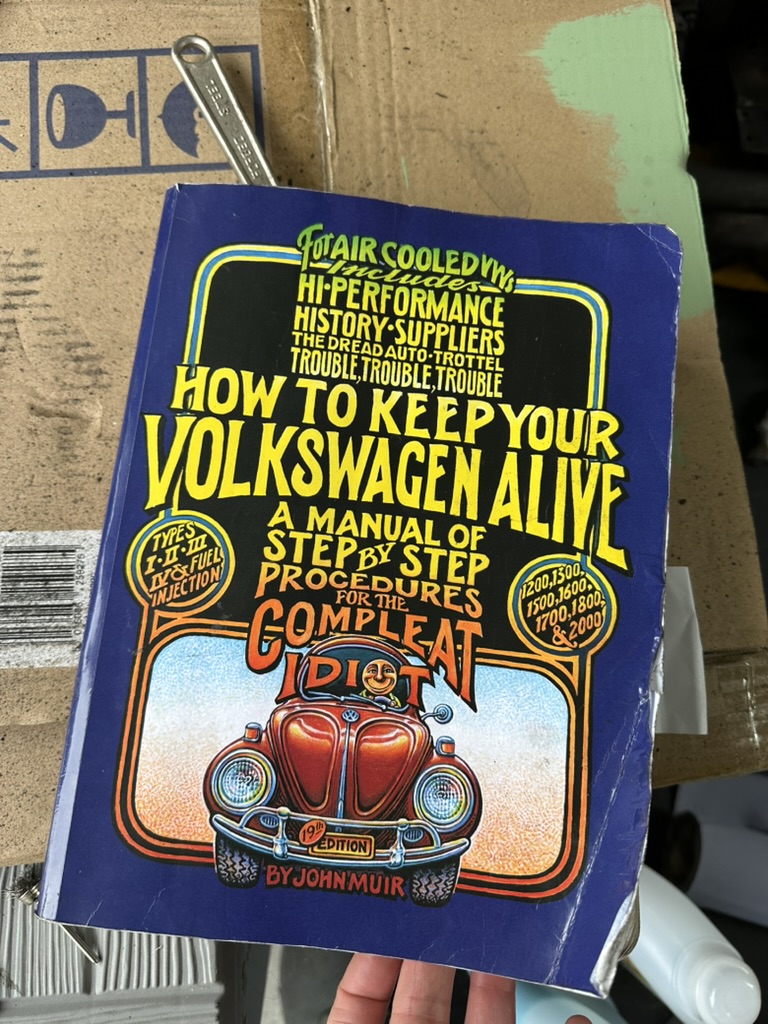
This book has been my absolute bible. Worn, marked, oil-stained from constant use.
My Essential VW Library:
1. "How to Keep Your Volkswagen Alive" by John Muir ← THE BIBLE
This is THE book. Not just a book — THE BOOK. It's been my absolute bible throughout Jenny's restoration. Brilliantly written, makes the complicated sound pretty simple — even for a complete novice like me.
I'd recommend that anyone with a VW T2 reads it cover to cover. Seriously. Cover to cover. More mechanical than a buying guide, but that's the point — reading it before you view vans will help you understand what you're looking at and ask exactly the right questions.
The illustrations are fantastic, the explanations assume you know nothing (which I didn't), and John Muir's writing style is encouraging rather than intimidating. He makes you feel like you CAN do this.
Why you NEED this book: You'll understand what you're looking at during inspections. You'll know which problems are £50 fixes and which are £5,000 nightmares. It's the difference between buying confidently and buying blindly.
My copy is worn, marked, and oil-stained from constant use. That should tell you everything.
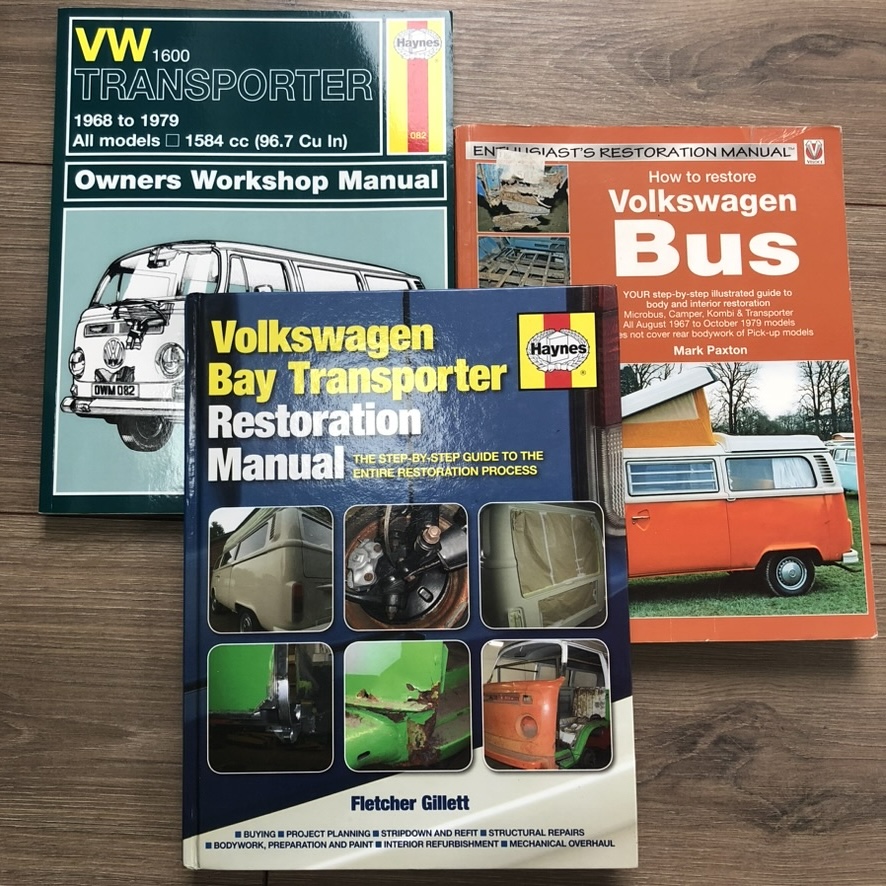
My complete VW library — Haynes manuals and restoration guides I reference constantly.
2. "VW Transporter 1600 Owners Workshop Manual" by Haynes (1968-1979)
The technical manual. While John Muir's book teaches you the philosophy and approach, the Haynes manual gives you exact specifications, torque settings, and technical procedures.
Why you need it: When you need to know the exact valve clearance, timing specs, or wiring diagrams, this is where you go. More technical than Muir, but essential for doing things properly.
3. "Volkswagen Bay Transporter Restoration Manual" by Haynes
Step-by-step guide to the entire restoration process — buying and project planning, stripdown, structural repairs, bodywork, paint, interior, mechanical overhaul. Either this or the Paxton book is essential for getting your confidence up before viewing vans.
Why you need it: Helps you understand what any given repair actually involves — and what it's likely to cost.
4. "How to Restore Volkswagen Bus" by Mark Paxton
Covers all August 1967 to December 1979 models. Another excellent restoration guide with step-by-step illustrated procedures. Either this or the Haynes restoration manual is really good for getting your confidence up and helping you ask the right questions on the day.
Why you need it: Where one book is vague, another explains it perfectly. Between this and the Haynes, you'll have the full picture.
Investment: £80-120 for all four books. I spent £15,000 buying Jenny, then another £12,000+ on restoration because I didn't know what I was looking at. Those books would have saved me thousands.
Already own a van? Read our guide to choosing the right restoration company → — the wrong choice is nearly as expensive as not doing your research before buying.
What to Take When You View a Van
Don't turn up empty-handed. Get these before you go. They'll help you spot problems the seller isn't telling you about — and give you hard evidence for negotiating.
Free Printable Inspection Checklist
Download and print our buyers inspection checklist. Take it to every viewing — tick off each item, write notes, and don't rely on memory.
Your Viewing Kit:
- Fridge Magnets → — The cheapest filler test there is. A magnet sticks to solid metal but won't grip over filler. Cheap and cheerful — just grab one off the fridge before you leave. Seriously.
- Magnetic Paint Thickness Gauge → — The proper version of the fridge magnet test. This gives you the exact depth of paint and filler on any panel, so you know precisely what you're dealing with. Well worth the investment if you're serious about buying right.
- LED Inspection Light (magnetic) → — You need to get underneath and into dark corners. A bright magnetic work light sticks to the van's bodywork and points exactly where you need it. Essential for inspecting the underside for rust.
- Large Flathead Screwdriver → — For the screwdriver test on rust. Press it into suspect metal — solid metal resists, rotten metal doesn't.
- Digital Multimeter → — Check the electrics properly. Test voltage at key points and identify wiring issues before they become your problem.
- USB Endoscope Camera → — See inside cavities and hidden rust spots you simply can't reach otherwise.
- Mechanic's Creeper → — For getting underneath comfortably. You need to spend proper time under the van — you won't do it lying on cold concrete.
Total cost: £60-150. The fridge magnet is free. These tools could save you from a £10,000 mistake.
The Critical Inspection Areas
Once you've read the books and got your kit together, here's exactly what to inspect on every van you view:
1. Rust — The Killer
Rust is the biggest issue with classic VWs. Not "a problem" or "something to watch" — the biggest issue. If there's significant structural rust, walk away unless you want a multi-year restoration project and a very large bill.
Where to Look:
- Sills (chassis rails): These are structural. Rust here = expensive. Get underneath and really look. Use your screwdriver.
- Jacking points: If they're rotten, the van isn't safe to lift. Replacement is major work.
- Front panel and lower valance: Common rust spot. Check thoroughly.
- Inner and outer wings: Check behind the wheels — right inside the arches.
- Floor pans (cab and cargo): Look under carpets and mats. Poke with a screwdriver. Solid or spongy?
- Battery tray area: Acid damage causes rust. Very common problem area.
- Door bottoms and pillars: Water collects here. Check every door carefully.
- Windscreen surround: Rust here means major work to fix properly.
- Roof and gutters: Often neglected. Water pools in the gutters.
- Rear corners and engine lid: Check around the engine compartment too.
- Long and short side panels: Any bubbling paint = rust underneath.
- Entire chassis: Get right underneath with your torch. Look at everything.
- Paintwork: Scratches, dents, faded paint, mismatched panels. Signs of accident damage, poor repair, or filler work.
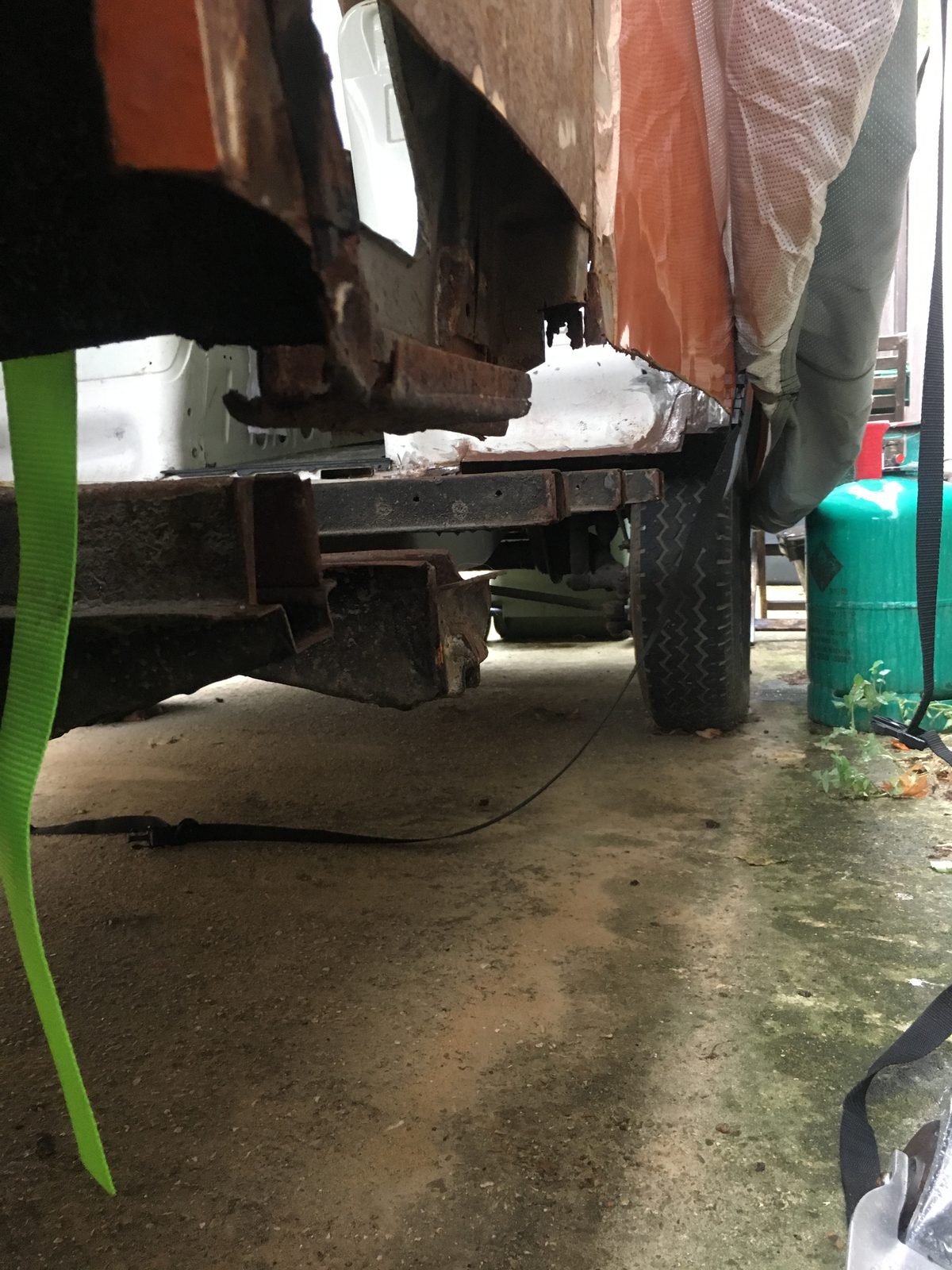
This is what you're looking for under the van. Jenny's sills were in a bad way — this is why you get underneath and really look.
The Screwdriver Test
Bring a large flathead screwdriver →. Press it firmly into suspect areas. Solid metal resists. Rusty metal? The screwdriver goes straight through. Do this everywhere — sills, floor pans, arches, door bottoms.
If the seller objects: Walk away. Someone with nothing to hide won't mind you checking properly.
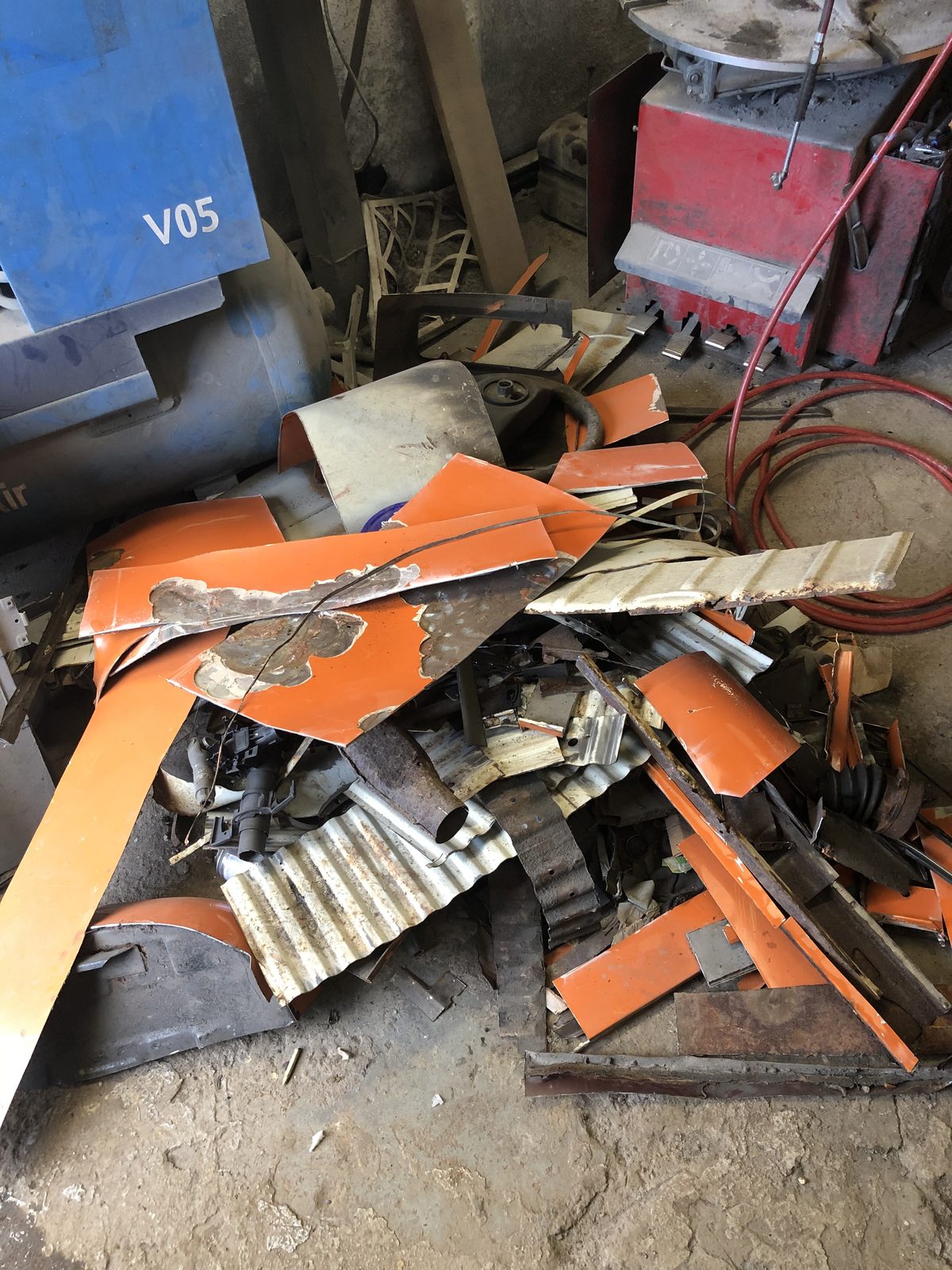
This pile of orange metal is what came off Jenny. With a screwdriver and a magnet, you'll have far less of this to deal with — because you'll know what you're buying before you hand over the cash.
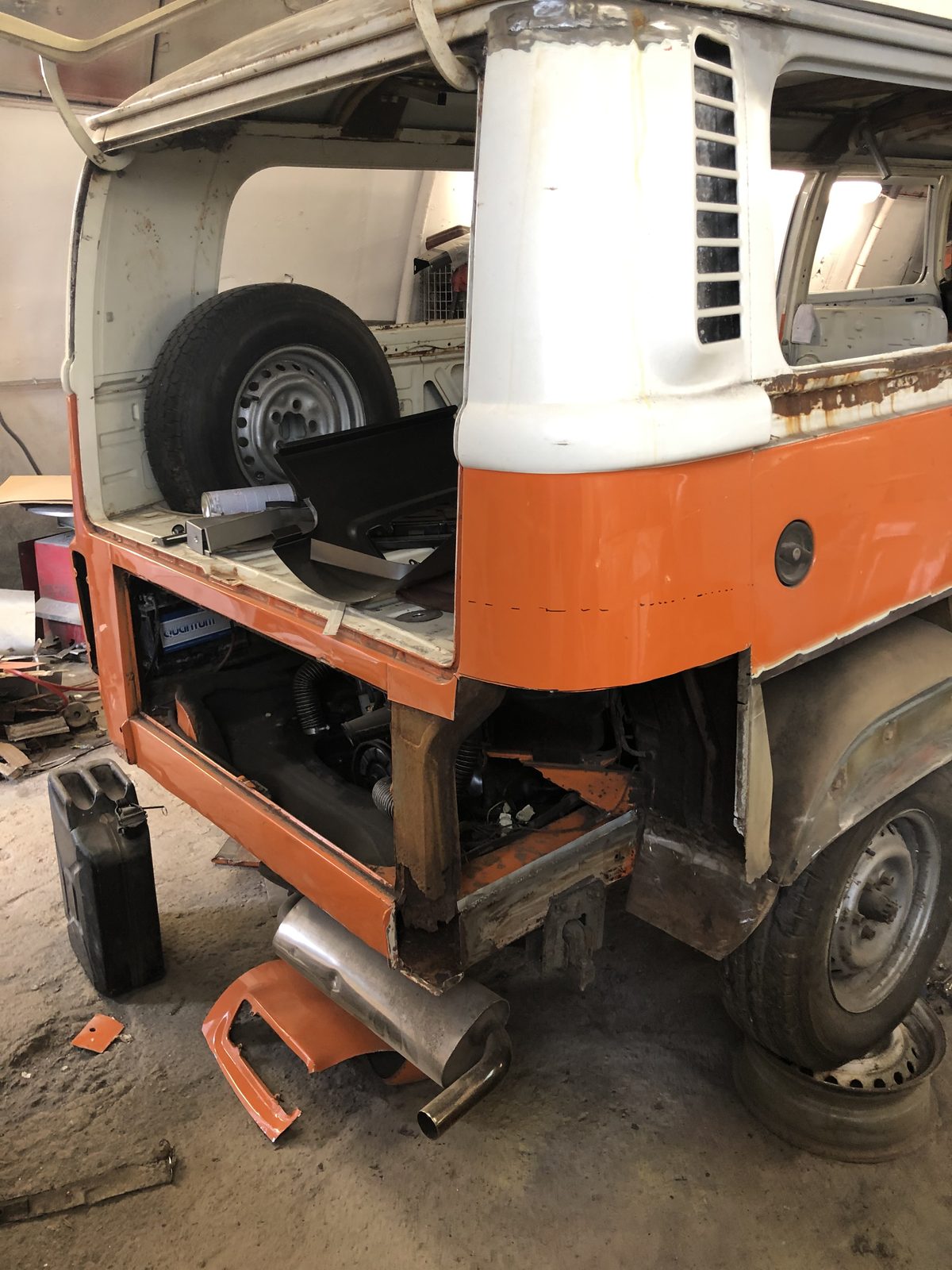
The rear stripped back. Rust hides everywhere — check every inch. What looks solid from the outside can be hiding a very expensive surprise.
2. Engine & Mechanicals
The good news: air-cooled engines are simple and parts are available. The bad news: old engines need work, and rebuilds aren't cheap.
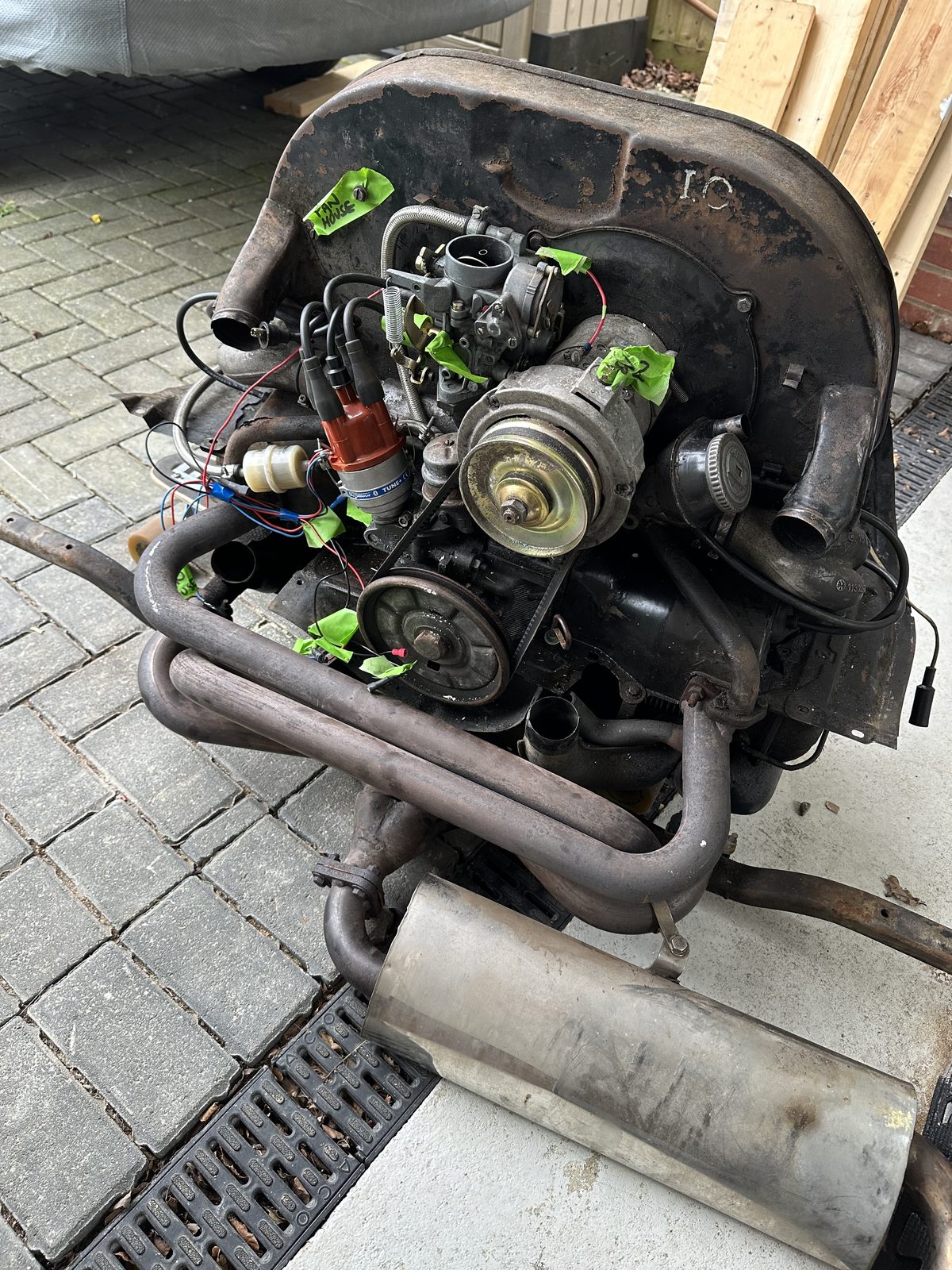
Jenny's engine out during the rebuild. Learn what a healthy engine looks and sounds like before you start viewing — the Muir book is essential reading for this.
What to Check:
- End float: Engine off, grab the bottom pulley and pull it in and out. Any movement means the crankshaft is worn — budget for a rebuild.
- Oil leaks: Some seepage is normal on old engines. Significant leaks from the engine-gearbox join mean the flywheel seal has gone — that's an engine-out job.
- Engine noise: Valve train clatter at idle is normal. Knocking, rattling, grinding? Not normal.
- Blue smoke on startup: Worn valve guides. Not catastrophic but needs addressing.
- Black smoke under load: Running rich. Usually a carb adjustment (easy fix).
- Cold start: Does it fire up without excessive cranking? Does it idle smoothly when cold?
- Clutch: Smooth or juddering? Slipping? Clutch replacement is an engine-out job — budget accordingly.
- Gearbox: All gears engage cleanly? No grinding, jumping out, whining? Second gear is often the first to go on these.
- Brakes: Do they stop the van properly? Pedal feel firm or spongy? Pull to one side?
Test drive essentials: Insist on a proper test drive. Not just around the block — get it on a dual carriageway if possible. Listen, feel, smell. Any strange noises or behaviours? Ask about them. Take notes.
3. Electrical System
VW wiring from the 1970s is... let's say "characterful." Expect gremlins. The question is: minor irritations or fire hazards?
Check Everything:
- All lights (headlights, indicators, brake lights, number plate light, interior)
- Wipers and washers
- Horn
- Gauges — do they all work?
- Any aftermarket wiring (alarm, stereo, extra lights) — tidy or rats nest?
Badly done aftermarket wiring is dangerous. If there's a rats nest of wires under the dash with electrical tape everywhere, budget for a complete rewire (£500-1,500 depending on who does it). Use your multimeter → to check voltage at key points.
4. Interior & Camping Equipment
Less critical than rust or mechanics, but still affects value and usability significantly.
- Do all the beds and seats work properly?
- Is the rock and roll bed mechanism solid?
- Cupboards, doors, latches — do they all function?
- Any damp or mould? Check under carpets and in corners.
- Water system (if fitted) — does it work? Any leaks?
- Cooker (if fitted) — when was it last serviced? Working safely?
- Pop-top roof (if fitted) — canvas condition, does it operate smoothly?
- Upholstery condition? Original or recovered?
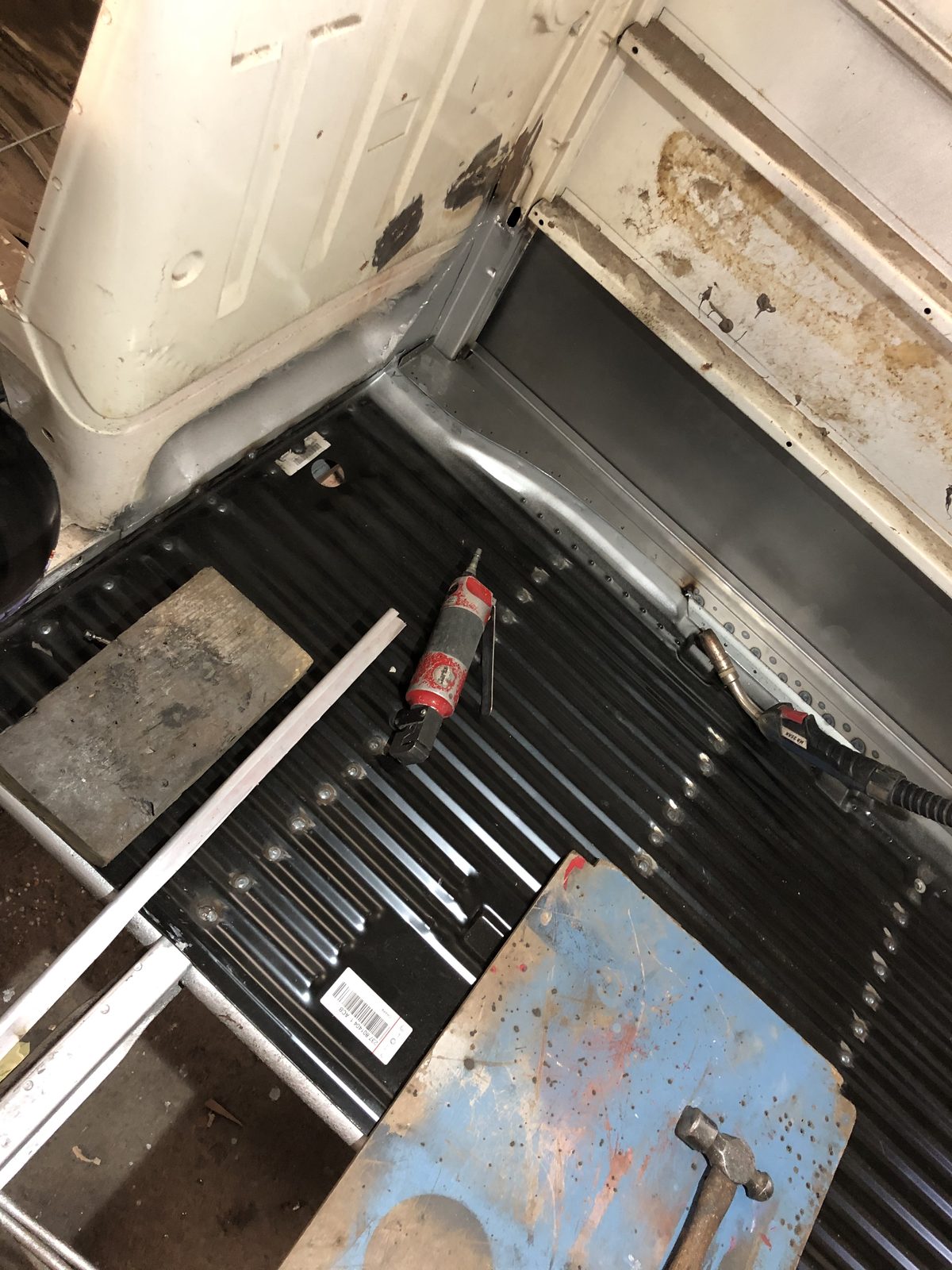
A brand new floor pan being welded in. This is an expensive job you want to avoid — check every inch of the van before you buy.
Red Flags — Walk Away If...
🚩 Red Flag #1: Fresh Paint Over Everything
Beautiful fresh paint, but seller has only owned it 6 months? They're covering something. Fresh paint over rust is extremely common. Use your paint thickness gauge → on every panel. Ask to see photos from before the respray. If they won't show you, walk away.
🚩 Red Flag #2: "Just Needs a Few Little Jobs"
Translation: "Lots of expensive work I can't be bothered to do." If it was just little jobs, they'd have done them before selling. Whatever they say needs doing, triple the cost and add three more jobs you'll discover later.
🚩 Red Flag #3: No Service History
These vans need regular maintenance. No history means it probably hasn't been maintained. Budget for everything: engine service, brake overhaul, suspension work, the lot.
🚩 Red Flag #4: Seller Won't Let You Inspect Properly
"Oh don't worry about getting underneath, it's all fine down there." No. Get underneath with your creeper → and work light →. Use your screwdriver. Look properly. If they won't let you, they're hiding something. Walk away.
🚩 Red Flag #5: Price Too Good to Be True
Everyone else is selling similar vans for £15k-20k, but this one's £8k? There's a reason. Either it's stolen, it's structurally compromised, or the rust situation is catastrophic. Be very suspicious of bargains.
Get a Pre-Purchase Inspection
Seriously. Pay someone who knows these vans to inspect it before you buy. It'll cost £100-300 depending on who and where, but it could save you buying a money pit.
Who to Use:
- VW specialists: Find a local VW specialist garage. Many offer pre-purchase inspections.
- Mobile inspectors: The AA and RAC both offer classic car inspections.
- VW clubs: Join a local club and ask. Members often know exactly who to trust.
What they'll check: Everything I've listed plus more. They'll give you a written report detailing problems, estimated repair costs, and a clear view on whether to buy or walk away. Worth every penny.
The Real Cost of Ownership
Let's talk money. The purchase price is just the beginning.
Purchase Price: £10,000-£40,000+
- £10-15k: Project van. Expect major work. Budget 2x purchase price for restoration.
- £15-25k: Usable but needs work. Budget £5-10k for improvements over next 2-3 years.
- £25-40k+: Good condition or professionally restored. Still expect £1-2k/year maintenance.
Annual Running Costs (Realistic):
| Item | Annual Cost |
| Insurance | £200-400 |
| Tax (historic vehicle) | £0 (if 40+ years old) |
| MOT | £0 (exempt if 40+ years) |
| Service/maintenance | £500-1,000 |
| Fuel (if you use it regularly) | £800-1,500 |
| Unexpected repairs/improvements | £1,000-3,000 |
| Total | £2,500-£5,000/year |
That "unexpected repairs" line? It's never unexpected. Something always needs doing. Budget for it or you'll be constantly stressed.
My Biggest Mistakes
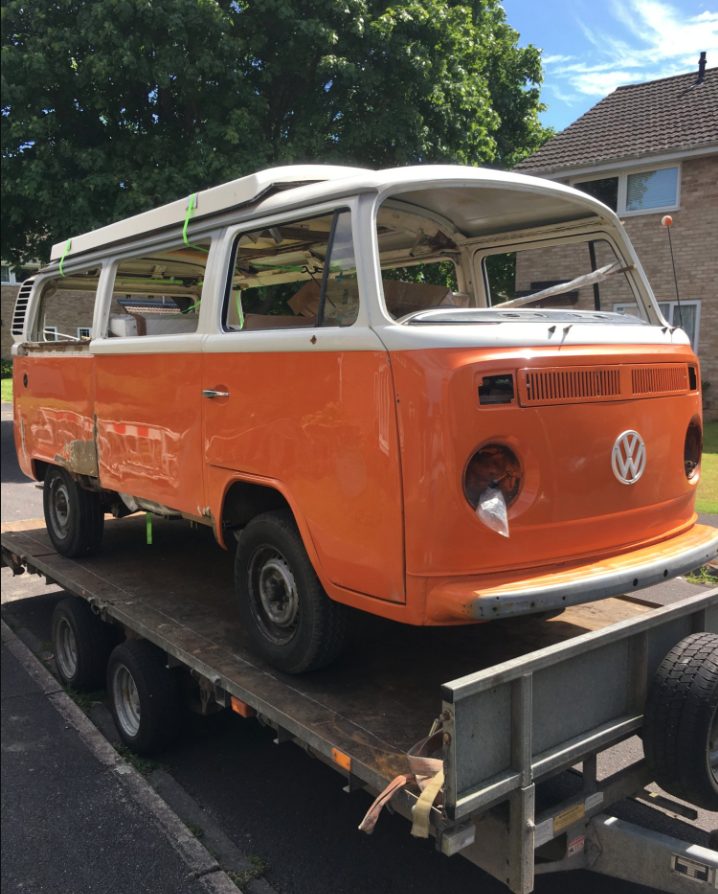
Jenny the day she arrived. She looked solid enough from a distance. She wasn't.
Mistake #1: Buying With My Heart, Not My Head
I saw Jenny, fell in love, ignored warning signs, handed over cash. The rust I couldn't see cost me £8,000 to fix. Learn from me: inspect properly even when you're emotionally invested. Especially when you're emotionally invested.
Mistake #2: Not Getting a Pre-Purchase Inspection
Saved £200 by not getting an inspection. Spent £12,000+ fixing things I didn't know were broken. Do the maths. Get the inspection.
Mistake #3: Not Reading The Books First
I bought Jenny, then started learning about VWs. Should have been the other way round. Those books would have told me what to look for, what to avoid, and what things actually cost.
Mistake #4: Underestimating Costs
Thought I'd spend £2-3k "tidying her up." Actually spent £12k+ and counting. Whatever you think it'll cost, double it. Then add 50%. You'll be closer to reality.
Should You Actually Buy One?
After all that doom and gloom, you might be thinking "this sounds terrible, why would anyone do this?"
Here's why:
Despite the cost, the stress, the work, the frustration — I absolutely love owning Jenny. Driving a classic VW camper is special. The community is amazing. The adventures are incredible. The satisfaction of fixing things yourself is immense.
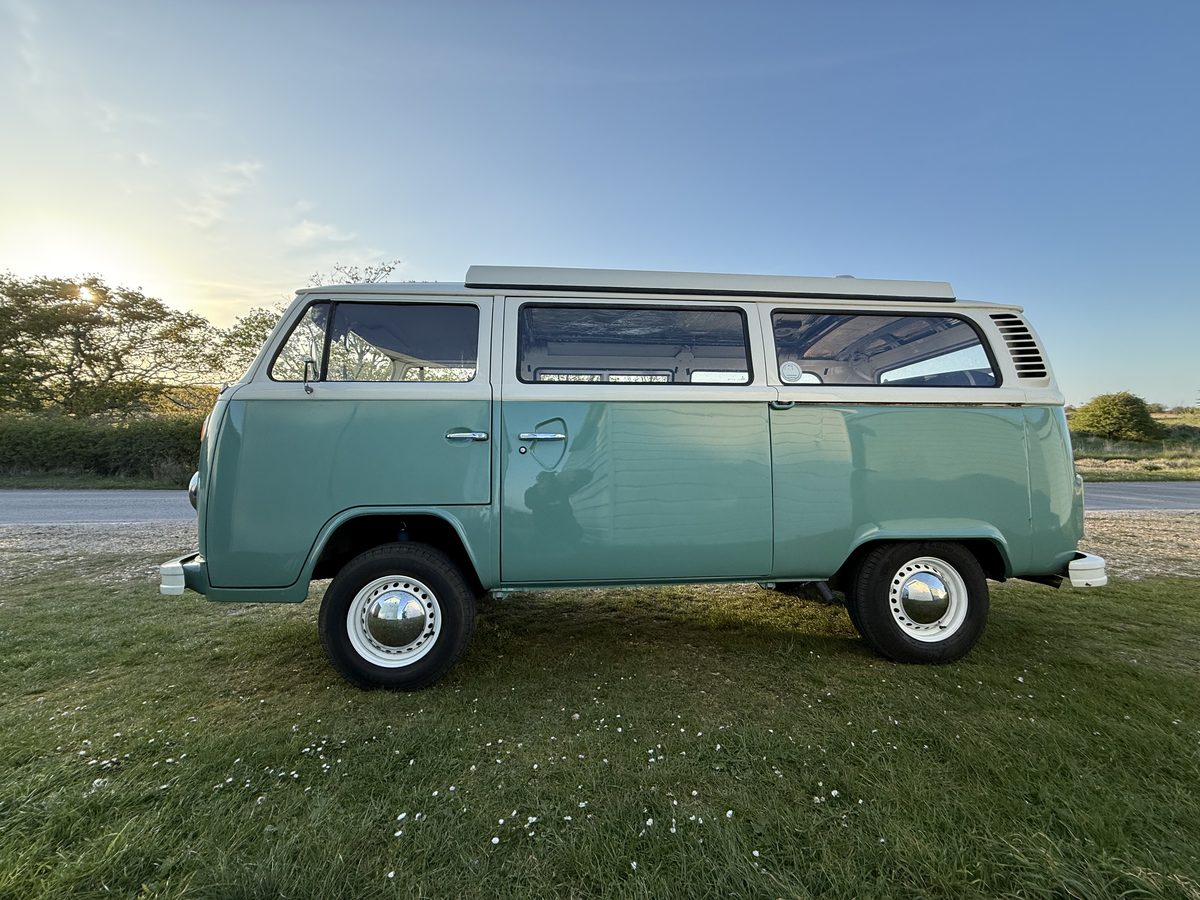
Jenny today. Every mile, every campsite, every early morning cup of tea — worth it. But only because we did the work properly.
But — and this is important — you need to go into it with eyes wide open. Know what you're buying. Understand the costs. Accept that there will be problems. Budget realistically. Read the books. Get the inspection.
If you do all that? You'll make better decisions, avoid expensive mistakes, and enjoy the journey rather than drowning in unexpected bills.
Bought one? Get ahead of the maintenance before problems find you. Our Classic VW Maintenance Schedule → walks you through everything to check and when.
Essential Resources
Books (Buy These First!):
- How to Keep Your Volkswagen Alive by John Muir (THE BIBLE!) — eBay → | Amazon →
- VW Transporter 1600 Owners Workshop Manual by Haynes (1968-1979) — Amazon →
- Volkswagen Bay Transporter Restoration Manual by Haynes — eBay → | Amazon →
- How to Restore Volkswagen Bus by Mark Paxton — eBay → | Amazon →
Inspection Tools:
- Fridge Magnets (filler test) — Amazon →
- Magnetic Paint Thickness Gauge — Amazon →
- LED Inspection Light (magnetic) — Amazon →
- Large Flathead Screwdriver — Amazon →
- Digital Multimeter — Amazon →
- USB Endoscope Camera — Amazon →
- Mechanic's Creeper — Amazon →
Online Communities:
- The Late Bay Forum — Invaluable for advice and finding specialists
- The Samba — Huge US-based VW community, with lots of UK members
- Facebook VW Groups — Active UK communities for buying, selling, and advice
Parts Suppliers:
- Just Kampers — UK-based, huge range
- Heritage Parts Centre — Quality parts, knowledgeable staff
- Cool Air VW — Specialists in air-cooled VW parts
Final Thoughts
Buying a classic VW camper is a big decision. It's expensive, time-consuming, sometimes frustrating, and definitely not for everyone.
But if you approach it properly — read the books, inspect thoroughly, budget realistically, join the community — it can be one of the most rewarding things you do.
Just please, don't make the mistakes I made. Read those books before you view a single van. Get the inspection. Budget double what you think. Walk away from red flags.
Do it right, and you'll have years of adventures, memories, and joy. Do it wrong, and you'll have an expensive driveway ornament and a credit card bill that makes you weep.
Choose wisely.
More VW Guides:
Complete Engine Rebuild Guide →
Weber Carb Installation →
Bilstein Shocks Upgrade →
Choosing a Restoration Company →
Classic VW Maintenance Schedule →
Questions about buying a classic VW? Drop me a message on Instagram @jennythebus!