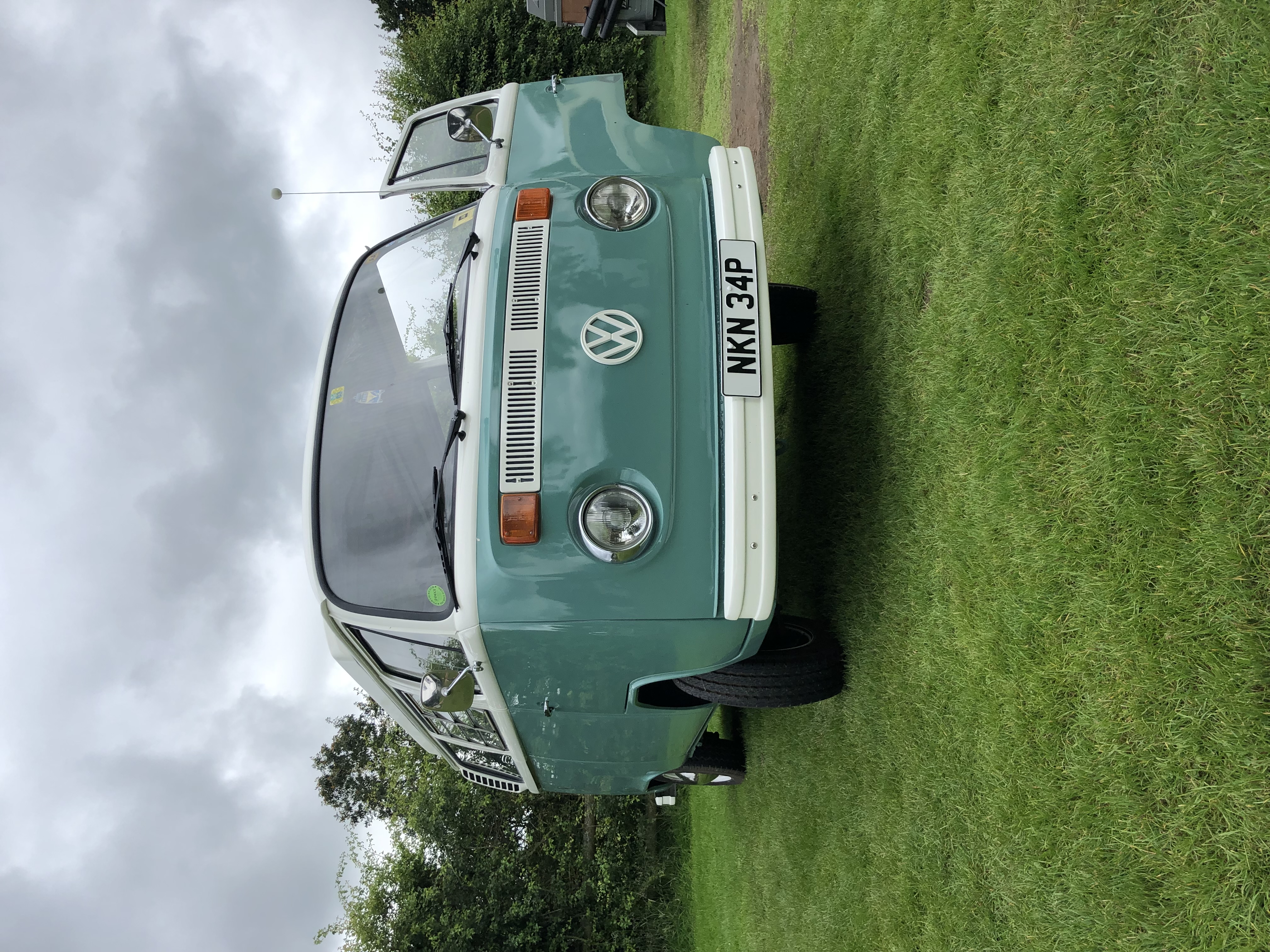
Most people park their campervan up in October and don't think about it until spring. We used to be those people. Then we fitted a diesel heater, bought some decent gear, and realised that winter van trips are genuinely brilliant — fewer crowds, stunning landscapes, and that cosy feeling you just can't get in summer.
But it takes a bit of preparation. A classic VW T2 wasn't exactly designed for British winters. Here's how we make it work.
Heating: The Non-Negotiable
We've written a full guide to our diesel heater install, but the short version: it changed everything. Before the heater, winter trips meant piling on layers and hoping for the best. Now we're in t-shirts inside the van at -3°C outside.
If you're serious about winter camping in any van, a diesel heater is the single best investment you'll make.
Insulation: What We've Done to Jenny
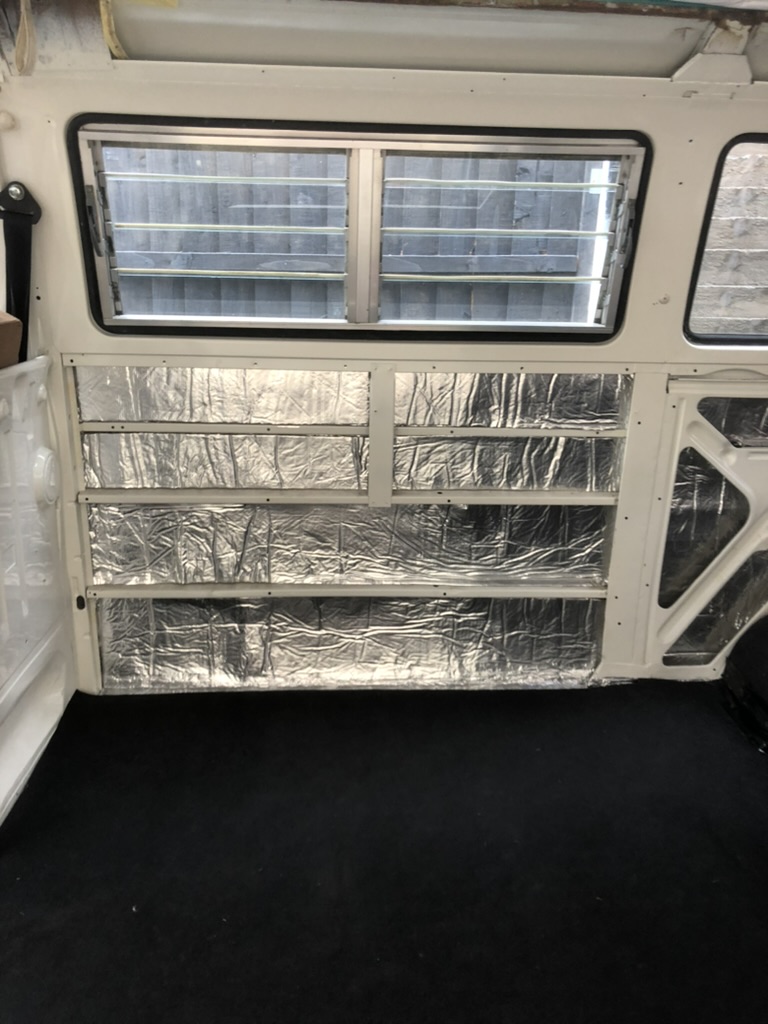
The T2's original insulation is essentially... nothing. Thin metal panels and optimism. Over the years we've added:
Walls and Ceiling
- Thinsulate — the same stuff used in winter jackets. Lightweight, doesn't absorb moisture, and fits into the curves of a T2 surprisingly well. We got ours from eBay → — there are loads of sellers doing pre-cut kits for specific van models.
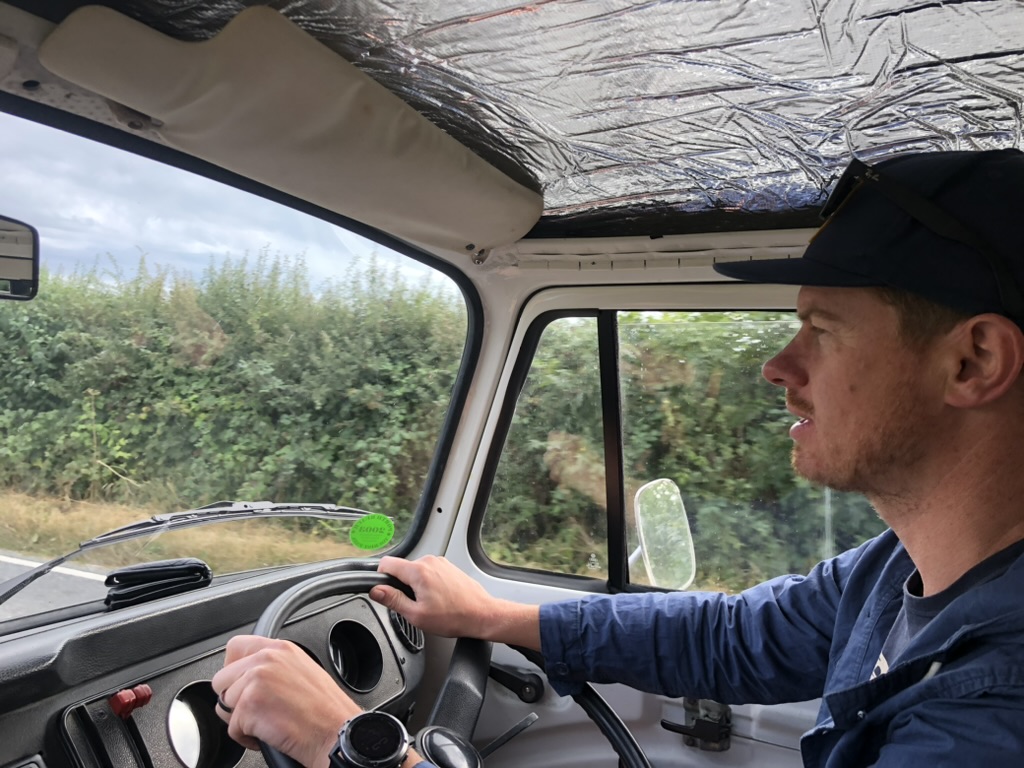
- DodoMat insulation → — we used this behind all the panels and it's made a noticeable difference to heat retention. It's specifically designed for vehicle insulation and bonds well to the metal.
- DodoMat sound deadening → — while we were doing the insulation, we also added this for road noise reduction. The difference is genuinely remarkable, especially on motorways. The combination of thermal insulation and sound deadening has transformed how the van feels to drive and live in.
Floor
Reflective foil insulation underneath the plywood floor. Makes a noticeable difference, especially on cold ground.
Windows
- Thermal window covers are essential. Silver screens for the front, and we made our own for the side and rear windows using thermal fabric from Etsy. There are some brilliant sellers on there doing made-to-measure van window covers.
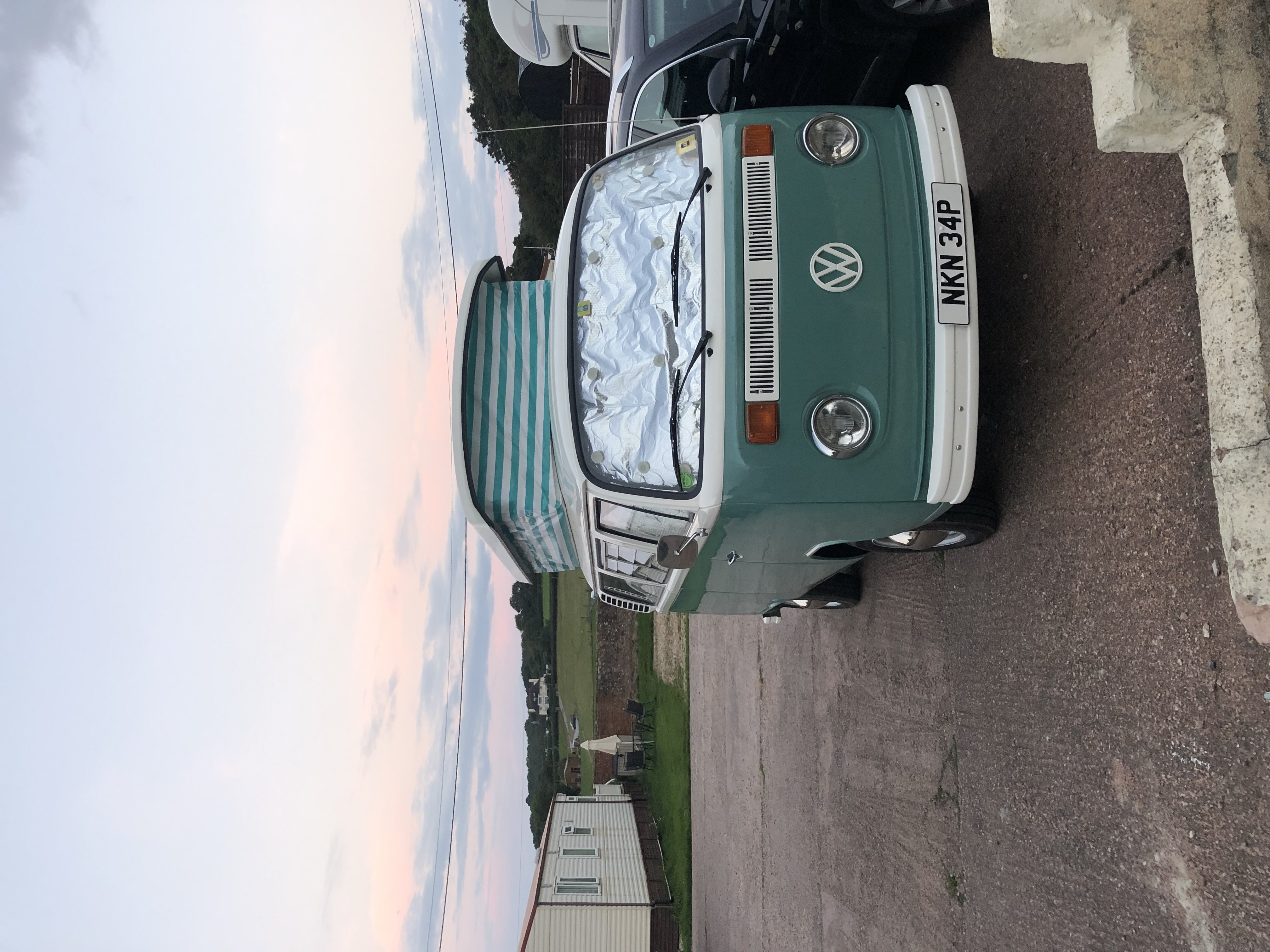
- The pop-top is the weakest point thermally. We added a thermal liner inside the canvas — again, Etsy has people making these specifically for VW pop-tops.
The Pop-Top
A thermal inner tent transforms the upstairs sleeping area. Ours was a custom job from an Etsy seller and it's made the pop-top usable in temperatures we'd never have attempted before.
Clothing & Layers
Van life in winter is all about layers. The van warms up fast with the heater, but you're constantly going in and out, so you need to be able to adapt quickly.
Base layers: Merino wool. Not cheap, but worth every penny. Regulates temperature, doesn't stink after a day, and it's thin enough to layer. merino base layers at Decathlon → and Millets both do good affordable merino base layers.
Mid layers: Fleece or down gilet. A Rab down gilet from Go Outdoors is our go-to — packs tiny, incredibly warm.
Outer layer: Waterproof and windproof. British winter means rain. A decent jacket that handles both wind and rain is essential. Millets and Go Outdoors both have good options that won't break the bank.
Feet: This is where most people go wrong. Cold feet ruin everything. Decent walking boots with wool socks for outside, and a pair of insulated camp slippers for inside the van. Game changer.
Sleeping
- A sleeping bag rated to -5°C or lower. Don't trust the "comfort" rating — go by the "limit" rating
- Sleeping bag liner adds 5-10°C
- A good quality self-inflating mat (the thick ones, not the thin festival ones). self-inflating camping mats at Decathlon → do a great 7cm one that's worth every penny
- Hot water bottle — old school but absolutely effective
Condensation: The Silent Enemy
This is the biggest issue with winter van life. You breathe out moisture. You cook and create steam. The cold windows turn that moisture into puddles. Left unchecked, you get mould, damp bedding, and a miserable morning.
💡 How We Manage Condensation
- Crack a window — always, even when it's freezing. Just a centimetre does the job
- Moisture absorbers — those little tubs of crystals from Wilko or B&Q. Put one on each side of the van
- Microfibre cloth — wipe the windows down first thing in the morning. Takes 2 minutes
- Cook with lids on — reduces steam massively
- Don't dry wet clothes inside the van — hang them under the van or in a separate bag
Winter-Specific Gear
These are the extras that make winter trips comfortable rather than endurable:
- 12V electric blanket — plugs into the leisure battery. Pre-warm the bed before getting in. Ours was about £25 from eBay
- Rechargeable hand warmers — brilliant for walks. Doubles as a phone charger
- Headtorch — it gets dark at 4pm. You'll use it constantly
- Thermos flask — fill it with hot coffee/soup before a walk
- Fairy lights — sounds frivolous but they make the van feel cosy on dark evenings. Battery-powered ones from Etsy or eBay
- Windbreak — if you're setting up outside at all, it makes a massive difference to perceived temperature
Where to Go
Winter is actually the best time for certain trips:
- The Lake District — stunning in snow, far fewer people than summer
- Snowdonia — dramatic, moody, incredible photography
- North Norfolk coast — empty beaches, big skies, great pubs
- Scottish Highlands — if you're brave enough. The reward is views you'll never forget
- New Forest — mild compared to the north, great for shorter trips
Just check ahead for site closures — many campsites shut November to March, but the ones that stay open are usually the good ones.
The Honest Downsides
- Setup takes longer — everything is slower in the cold and dark
- Less outdoor time — you'll spend more time in the van, so make sure you actually enjoy that
- Condensation management is a daily chore
- Battery drain — shorter days mean lights on earlier, heater fan running more. Make sure your leisure battery is in good shape
- Roads — check conditions, especially in Scotland. Carry basics: de-icer, scraper, torch
Is It Worth It?
Absolutely. Winter van trips have a completely different character to summer ones. It's quieter, more introspective, and there's something deeply satisfying about being warm and comfortable in your van while it's howling outside.
The key is preparation. Get the heating sorted, invest in decent layers, manage the condensation, and you'll wonder why you ever put the van away for winter.
— Mike & Jenny
Useful Links
This post contains affiliate links. If you purchase through these links, I may earn a small commission at no extra cost to you. It helps keep Jenny on the road and this website running — thank you!